December 3, 2025 - By Monique Thompson
Drilling Careers in Australia: Pathways, Skills and Opportunities in the Oil and Gas Industry
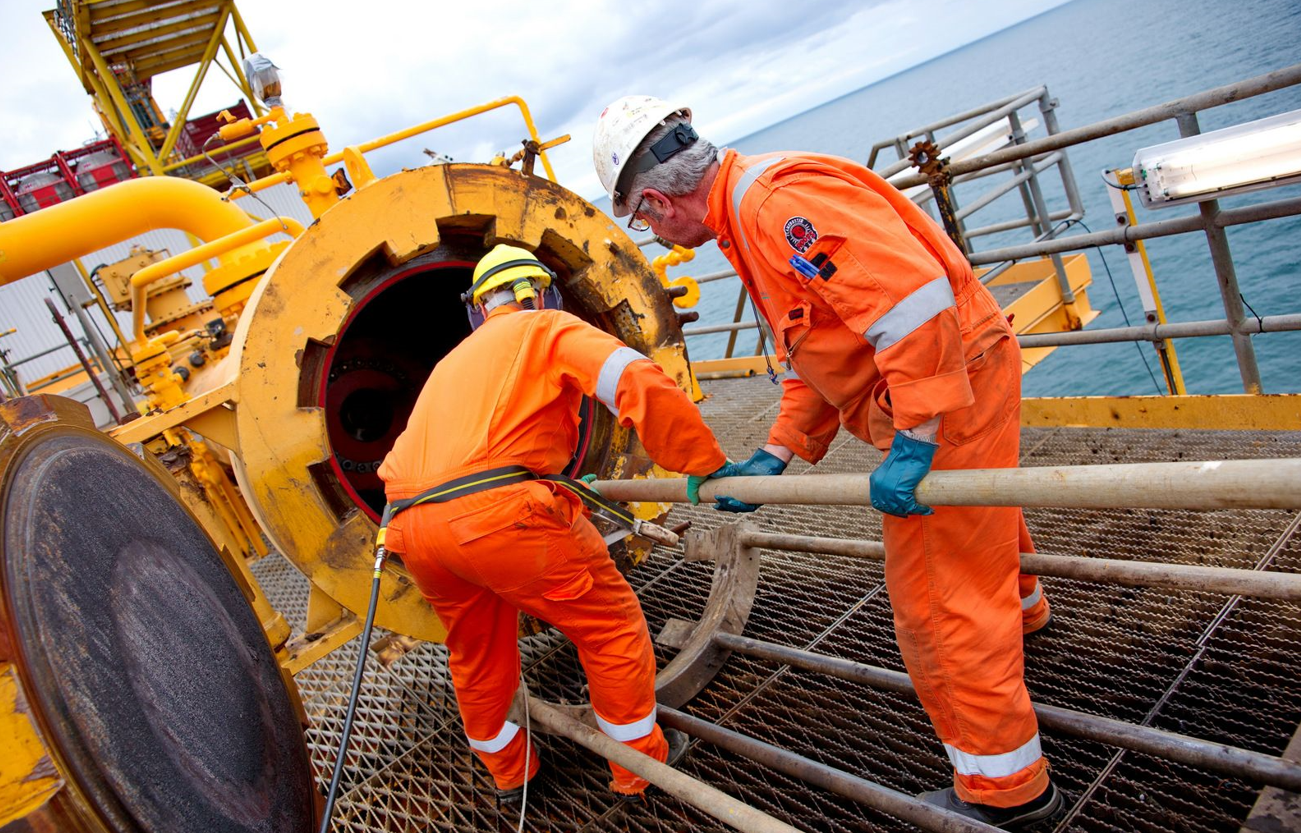
Drilling operations are at the heart of Australia’s oil and gas sector, supporting exploration, production and well intervention activities across both offshore and onshore environments. Drilling careers offer exceptional earning potential, structured progression pathways and exposure to highly specialised equipment and operational systems. Whether you are starting out or seeking advancement, understanding the structure of drilling teams and what employers look for is essential for building a successful long term career.
Why Drilling Careers Remain in Demand
Even as parts of the energy market shift toward alternative sources, oil and gas drilling continues to play a crucial role in Australia’s resource economy. Several factors drive ongoing demand for drilling personnel:
- Expansion of brownfields development and well workovers
- Need for skilled drill crews on offshore platforms and mobile units
- High turnover due to demanding rosters
- Increased global demand for LNG exports
- Growing reliance on specialised well intervention teams
As a result, drilling companies actively seek individuals with mechanical aptitude, safety discipline and the resilience to perform in high intensity environments.
Common Drilling Roles and Their Responsibilities
- Leasehand / Roustabout (Entry Level): Supports general rig housekeeping, equipment cleaning, site preparation, manual handling and assisting senior crew. Employers value physical fitness, teamwork and willingness to learn.
- Floorhand: Works directly on the drill floor, handling drill pipe, maintaining equipment and supporting drilling operations. Strong situational awareness and mechanical aptitude are essential.
- Derrickman: Monitors mud systems, manages drilling fluids and performs tasks at height on the derrick. Requires strong balance, confidence working at heights and understanding of drilling chemistry.
- Assistant Driller: Supports the Driller by monitoring well conditions, controlling equipment, maintaining systems and coordinating drill crew activities.
- Driller: Manages the entire drilling process including equipment control, well monitoring, safety systems and crew leadership. A Driller must possess well control certification, strong decision making capability and deep knowledge of drilling operational principles.
- Toolpusher: Oversees rig operations, personnel, logistics and compliance. Responsible for ensuring safe drilling performance, resource allocation and work planning.
Well Intervention and Well Services Roles
Includes wireline operators, coiled tubing operators and well testing specialists. These positions require technical precision and ability to work under high pressure.
Skills and Attributes Required for Drilling Careers
Successful drilling professionals demonstrate:
- Exceptional safety awareness and hazard recognition
- Strong communication and teamwork
- High physical fitness and endurance
- Mechanical aptitude and problem solving ability
- Ability to operate in remote or extreme environments
- Resilience in shift based rosters and demanding workloads
Drilling companies seek stable, reliable individuals who can work cohesively in a highly structured, high risk drilling environment.
Training and Certifications for Drilling Roles
Many entry level drilling roles do not require formal qualifications, but the following training significantly improves employability:
- BOSIET or TBOSIET (for offshore drilling roles)
- Well Control Certification (for senior roles)
- Working at Heights
- Confined Space Entry
- First Aid and CPR
- High Risk Work Licences (Dogging, Rigging, EWP)
- Gas Testing Atmospheres
- MSIC (for maritime access)
Candidates with mechanical, engineering or trade backgrounds also have an advantage.
Career Progression in the Drilling Industry
One of the strongest benefits of drilling careers is the structured development pathway. Entry level workers can progress from Leasehand to Floorhand, Derrickman, Assistant Driller and eventually Driller or Toolpusher. Experienced personnel may also transition into:
- Drilling Supervisors
- Rig Managers
- Well Control Specialists
- Health and Safety roles
- Training and competency management
- Operations and logistics planning
Progression is based on performance, competency achievement and willingness to undertake further training.
How to Stand Out When Applying for Drilling Jobs
A high quality drilling resume should highlight:
- Physical capability and high risk work experience
- Commitment to safety and incident free performance
- Mechanical strengths and equipment familiarity
- Previous work in heavy industrial, mining, marine or construction environments
- Ability to follow instructions and work in a structured hierarchy
- Readiness for long rosters and remote conditions
Poorly structured resumes often prevent strong candidates from being shortlisted, even when they have suitable experience.
If you are aiming to start or advance a drilling career, Oil and Gas Resumes can prepare a polished, industry focused resume and cover letter that clearly reflects your strengths, certifications and suitability for the drilling environment. With over thirty years supporting candidates across Australia’s oil and gas sector, we can help you stand out in a competitive drilling job market.